
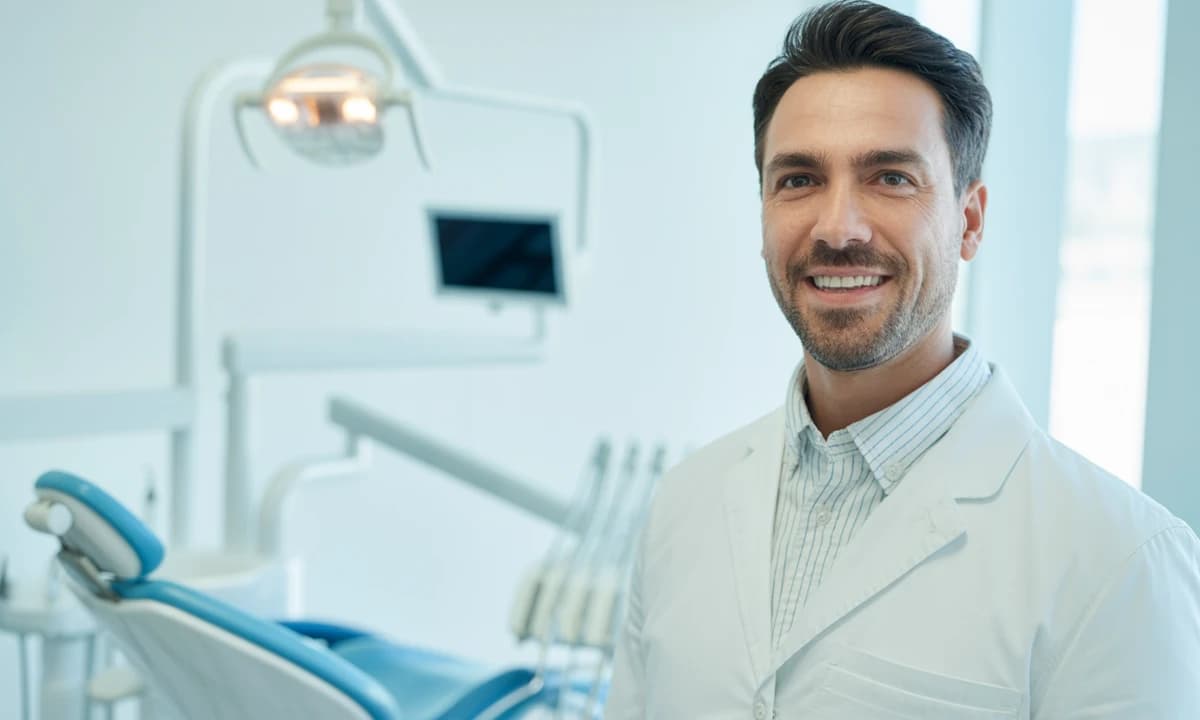

General Dentistry in Carlow
General dental care in Carlow by Dr. Sina Choi. Dental check-ups, cleanings, fillings, extractions and children's dentistry in a caring environment.

What Is General Dentistry?
General dentistry is the foundation of everything I do. It covers the broad range of treatments and services that keep your teeth, gums, and mouth healthy throughout your life — from routine check-ups and professional cleanings to fillings, extractions, and everything in between. Think of it as the frontline of dental care: the day-to-day work that prevents small issues from becoming serious problems.
As a general dentist in Carlow, I see patients of all ages, from young children attending their very first appointment to adults managing the natural changes that come with ageing. My goal is always the same — to help you keep your natural teeth for as long as possible, in the best condition possible. Whether you need a simple clean or a more involved procedure, my approach is thorough, gentle, and honest.
General dentistry isn't just about fixing problems after they arise. A significant part of my work is preventive — identifying early signs of decay, gum disease, or other conditions before they cause pain or require complex treatment. That's why regular visits matter so much, even when you feel perfectly fine.
Why Regular Dental Check-Ups Matter
It's easy to put off a dental visit when nothing seems wrong. But many of the most common dental problems — cavities, gum disease, early-stage oral cancer — develop silently, without any obvious symptoms in the early stages. By the time you notice pain, sensitivity, or bleeding gums, the problem has often progressed to a point that requires more extensive treatment.
Research consistently shows that patients who attend regular check-ups have significantly better oral health outcomes. The Irish Dental Association recommends visiting your dentist at least once a year, and more frequently if you have specific risk factors such as a history of gum disease, diabetes, or a smoking habit.
Here's what regular check-ups help me do for you:
- Catch decay early — a small cavity caught at a check-up can be repaired with a simple filling. Left undetected, that same cavity could reach the nerve and require a root canal or even an extraction.
- Monitor gum health — gum disease is the leading cause of tooth loss in adults, and its early stage (gingivitis) is completely reversible with the right intervention. I check your gum health at every visit.
- Screen for oral cancer — I perform a visual soft tissue examination as part of every check-up. Early detection dramatically improves outcomes for oral cancers.
- Track changes over time — by seeing you regularly, I build up a detailed picture of your oral health and can spot trends or changes that might not be obvious at a single visit.
- Save you time and discomfort — prevention is always simpler, quicker, and more comfortable than treatment. A 30-minute check-up could save you hours in the dental chair later.
For a detailed look at what actually happens during a check-up, I've written a full guide: What to Expect at a Dental Check-Up.
What to Expect During a Visit
If it's been a while since your last dental appointment — or if this will be your first visit to my practice — here's a brief overview of what a typical appointment involves.
Initial Examination
I'll begin with a thorough visual and physical examination of your teeth, gums, tongue, cheeks, and the floor and roof of your mouth. I'm looking for signs of decay, gum inflammation, wear, cracks, and any soft tissue changes that could indicate a more serious condition.
X-Rays
Depending on your history and what I find during the examination, I may take X-rays to see what's happening below the surface. X-rays reveal problems that aren't visible to the naked eye — decay between teeth, bone loss from gum disease, infections at the root tips, and impacted teeth. I only take X-rays when they're clinically justified, and I use modern digital systems that minimise radiation exposure.
Professional Cleaning (Scale and Polish)
Most patients benefit from a professional cleaning at each visit. Using specialised instruments, I remove hardened plaque (calculus or tartar) that you can't remove with a toothbrush at home, even with the best technique. I then polish the teeth to remove surface stains and leave them feeling smooth and clean. This not only looks and feels great — it actively reduces your risk of gum disease and decay.
Discussion and Treatment Plan
After the examination and cleaning, I'll discuss my findings with you openly. If everything looks healthy, I'll let you know and we'll schedule your next routine visit. If I've found anything that needs attention, I'll explain the issue clearly, outline the available treatment options, and answer any questions you have. I believe in informed decisions — I'll give you my honest recommendation, but the choice is always yours.
Core Services I Offer
General dentistry encompasses a wide range of treatments. Here's an overview of the main services available at my practice.
Routine Check-Ups and Examinations
The cornerstone of good dental health. I recommend most patients attend at least once or twice a year, though I'll tailor the frequency to your individual needs. Every check-up includes a full examination, oral cancer screening, and discussion of any concerns you may have.
Professional Cleaning — Scale and Polish
Even the most diligent brusher and flosser will develop some tartar build-up over time, particularly in hard-to-reach areas behind the lower front teeth and around the back molars. A professional scale and polish removes this build-up, reducing your risk of gum disease and leaving your mouth feeling thoroughly refreshed.
Fillings
When decay creates a cavity, a filling restores the tooth's shape, function, and integrity. I use tooth-coloured composite resin for a natural-looking result that blends seamlessly with your surrounding teeth. For more detail, see my guide to composite fillings.
Root Canal Treatment
If decay or infection reaches the nerve (pulp) inside a tooth, root canal treatment can save the tooth from extraction. I carefully remove the infected tissue, clean and shape the root canals, and seal them to prevent reinfection. The treated tooth is then typically restored with a crown for long-term protection. I've written a dedicated guide to root canal treatment with full details on what to expect.
Extractions
Sometimes a tooth is too damaged to save, or it needs to be removed for clinical reasons. I perform straightforward extractions in the practice, always under effective local anaesthesia so you're comfortable throughout. I'll also talk you through your options for replacing the missing tooth if appropriate.
Gum Disease Treatment
Gum disease ranges from mild gingivitis — characterised by red, swollen gums that bleed when you brush — to advanced periodontitis, which can lead to bone loss and tooth loss. Treatment typically starts with a thorough deep clean to remove plaque and tartar from below the gumline, combined with improved home care techniques. For more advanced cases, I may recommend a series of appointments to bring the condition under control.
Dental X-Rays
Modern digital X-rays are a vital diagnostic tool. They allow me to detect problems hidden within the teeth and jawbone that would otherwise go unnoticed until they cause symptoms. Digital X-rays use significantly less radiation than traditional film X-rays and produce instant, high-resolution images that I can show you on screen and explain in real time.
Fissure Sealants
The chewing surfaces of back teeth (molars and premolars) have natural grooves and fissures where bacteria can accumulate. Fissure sealants are thin protective coatings I apply to these surfaces to seal out bacteria and food particles, dramatically reducing the risk of decay. They're particularly beneficial for children and teenagers, but adults with deep fissures can benefit too. I discuss sealants in more detail in my preventive care guide.
Mouthguards
I provide custom-fitted mouthguards for two main purposes: sports protection and night-time grinding (bruxism). A custom mouthguard fits far more comfortably and provides much better protection than an over-the-counter option. For athletes playing contact sports, a well-fitting mouthguard can prevent chipped, broken, or knocked-out teeth. For patients who grind their teeth at night, a night guard protects against wear, fractures, and jaw pain. You can read more about mouthguards in my guide to preventive dental care.
Caring for Your Teeth Between Visits
What you do at home every day has a far greater impact on your oral health than anything I can do in the practice. Good home care keeps your teeth and gums healthy between visits and means I'll have less to treat when I see you. Here are the fundamentals.
Brushing
Brush your teeth twice a day — morning and night — for at least two minutes each time. Use a fluoride toothpaste and a soft-bristled brush (electric or manual, both work well when used properly). Pay attention to every surface: the fronts, backs, and chewing surfaces of all your teeth, and don't forget the gumline where plaque accumulates most. Replace your toothbrush or brush head every three months, or sooner if the bristles are fraying. For a step-by-step refresher, see my brushing techniques guide.
Flossing
Brushing alone cleans only about 60% of your tooth surfaces. The remaining 40% — the surfaces between your teeth — can only be reached with floss or interdental brushes. I recommend cleaning between your teeth at least once a day, ideally before you brush at night. If you find traditional floss difficult to use, interdental brushes or a water flosser are excellent alternatives. My guide to proper flossing technique covers everything you need to know.
Diet
What you eat and drink has a direct effect on your dental health. Sugar is the primary fuel for the bacteria that cause decay — each time you consume something sugary, the bacteria in your mouth produce acid that attacks your tooth enamel. It's not just the amount of sugar that matters, but how often you consume it. Frequent snacking on sugary foods or sipping sweet drinks throughout the day exposes your teeth to a near-constant acid attack.
To protect your teeth:
- Limit sugary snacks and drinks, and try to have them with meals rather than between meals
- Drink water throughout the day — it helps rinse away food particles and neutralise acid
- Choose tooth-friendly snacks like cheese, nuts, crunchy vegetables, and plain yoghurt
- Be cautious with acidic foods and drinks (citrus fruits, fizzy drinks, wine) which can erode enamel over time
- Wait at least 30 minutes after eating before brushing, as your enamel is temporarily softened by acid
When Should You Visit the Dentist?
Recommended Frequency
For most patients, I recommend a check-up every six to twelve months. However, the ideal frequency depends on your individual circumstances. Patients with excellent oral health and a low risk of decay may be comfortable with annual visits, while those with a history of gum disease, frequent cavities, or other risk factors may benefit from more frequent appointments.
At the end of each check-up, I'll suggest a recall interval that's appropriate for you. This is based on my assessment of your risk factors, not a one-size-fits-all rule.
Signs You Should See a Dentist Promptly
Don't wait for your next scheduled check-up if you experience any of the following:
- Toothache or persistent pain — pain is your body's signal that something needs attention. Even if it comes and goes, persistent or recurring tooth pain should be investigated.
- Bleeding gums — gums that bleed when you brush or floss are a sign of gum inflammation. While common, it's not normal, and it's very treatable when caught early.
- Sensitivity to hot, cold, or sweet — this can indicate decay, a cracked tooth, exposed root surfaces, or a failing filling.
- A chipped, cracked, or broken tooth — even if it doesn't hurt, a damaged tooth is vulnerable to further damage and infection.
- Swelling in your face, gums, or jaw — this may indicate an infection that needs prompt treatment.
- A persistent sore or patch in your mouth — any sore, lump, or patch that hasn't healed within two weeks should be examined.
- A knocked-out or loose tooth — this is a dental emergency. Contact me as soon as possible.
- Bad breath that won't go away — persistent bad breath (halitosis) can be a sign of gum disease, decay, or other conditions.
- Difficulty chewing or jaw pain — this could be related to your bite, a damaged tooth, or a jaw joint issue.
If you're unsure whether something needs attention, it's always better to get it checked. A brief examination is much simpler than dealing with a problem that's been allowed to progress.
Why Choose My Practice for Your General Dental Care?
My approach to general dentistry is built on three principles: thoroughness, honesty, and patient comfort. I take the time to carry out a comprehensive examination at every visit, I explain my findings clearly and honestly, and I do everything I can to make your experience as comfortable as possible.
Whether you're due for a routine check-up, you've noticed a problem you'd like me to look at, or it's been a few years since your last dental visit and you'd like to get back on track, you're very welcome at my practice. There's no judgement — just a genuine desire to help you achieve and maintain good oral health.
If you'd like to learn more about specific topics, I've put together detailed guides on what to expect at a dental check-up and preventive dental care. Both are worth reading if you'd like to take a more active role in looking after your dental health.
Typical Duration
30–60 minutes per visit
Related Guides
What to Expect at a Dental Check-Up
A detailed guide to what happens during a routine dental check-up — from initial examination to professional cleaning and aftercare advice.
Read morePreventive Dental Care: Protecting Your Smile for Life
Learn how preventive dental care — including sealants, fluoride treatments, and good habits — can help you avoid costly and uncomfortable dental problems.
Read moreHave Questions About General Dentistry in Carlow?
I'm happy to help you understand this treatment better. Feel free to send me a message.
Get in Touch