
Dental Implants
Replacing missing teeth with artificial roots for a natural, long-lasting result
Implant Placement
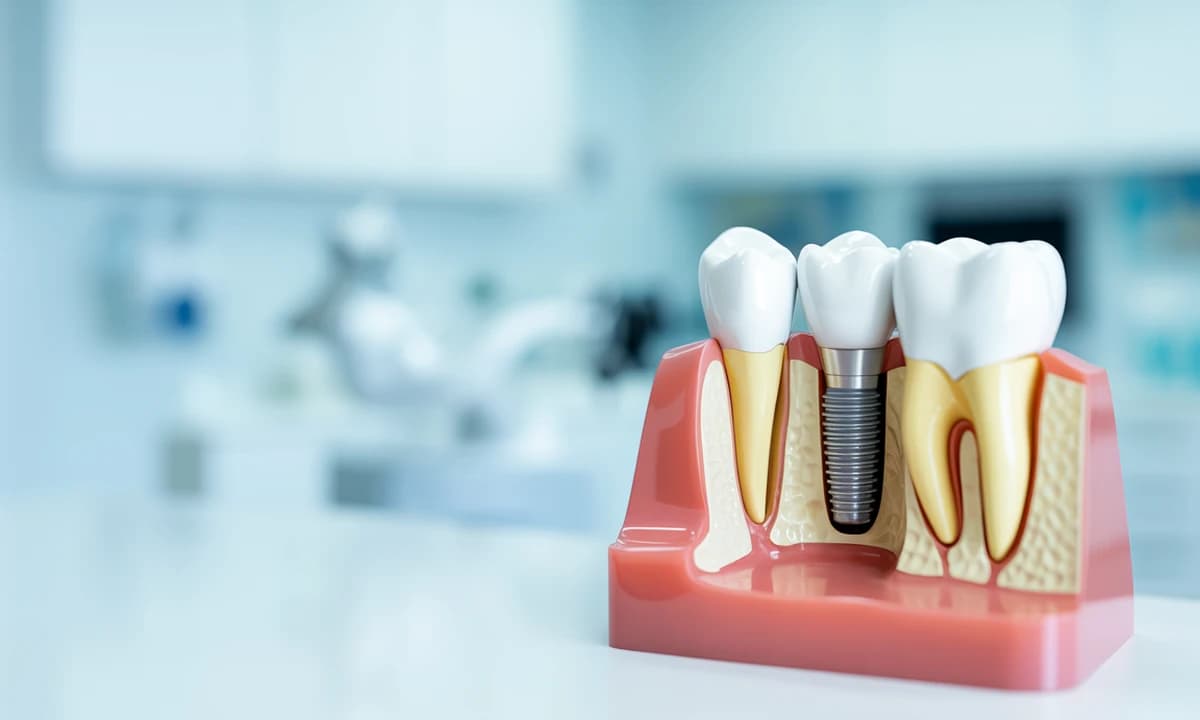
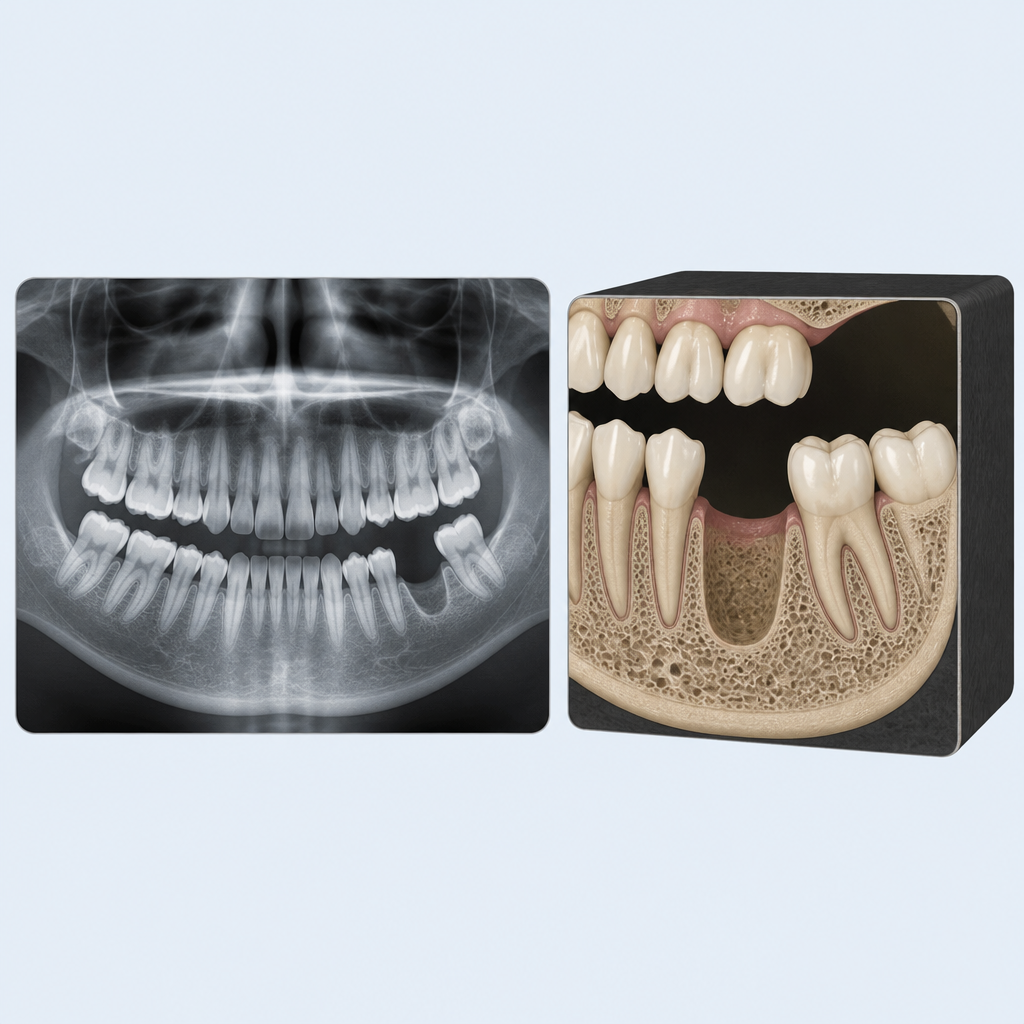
A titanium artificial root is placed into the jawbone where a tooth is missing, restoring full function just like a natural tooth. Once the implant bonds securely with the bone, a permanent crown is fitted on top.
View 6 steps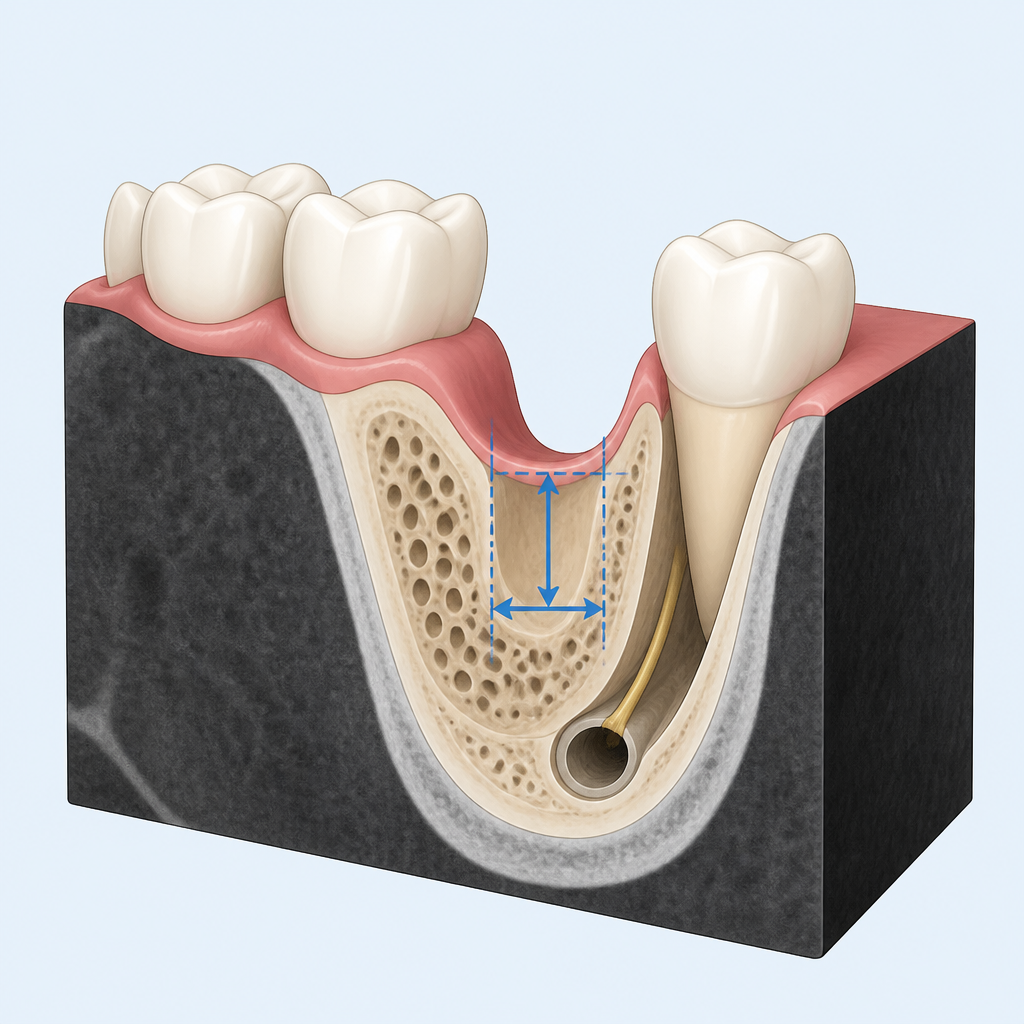
Bone Graft
When there is insufficient bone volume to support an implant, a bone graft rebuilds the jawbone using graft material. Once adequate bone has formed, an implant can be placed with confidence.
View 6 steps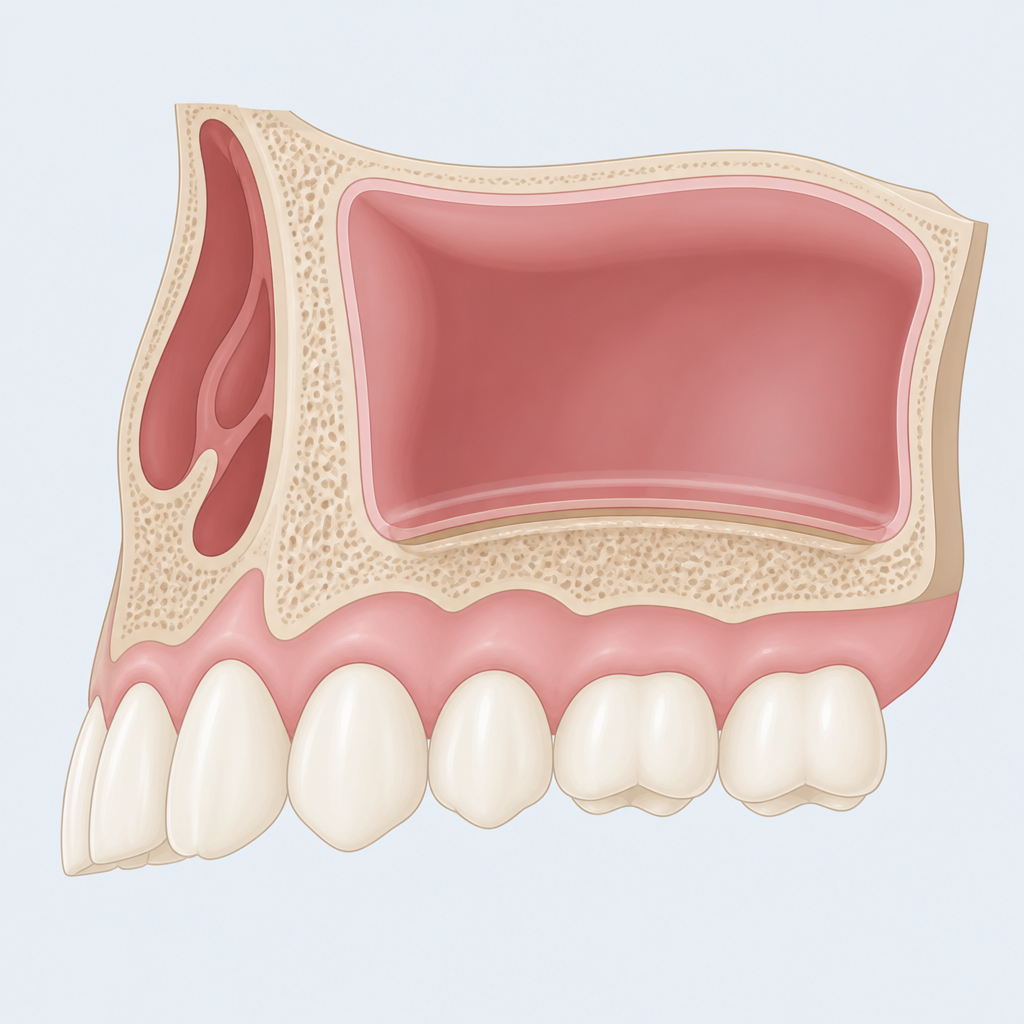
Sinus Lift
When the upper back jaw lacks sufficient bone height for an implant, a sinus lift gently raises the sinus membrane and fills the space beneath it with bone graft material. This creates the solid bone foundation needed to place implants safely, even in patients who were previously told they did not have enough bone.
View 6 steps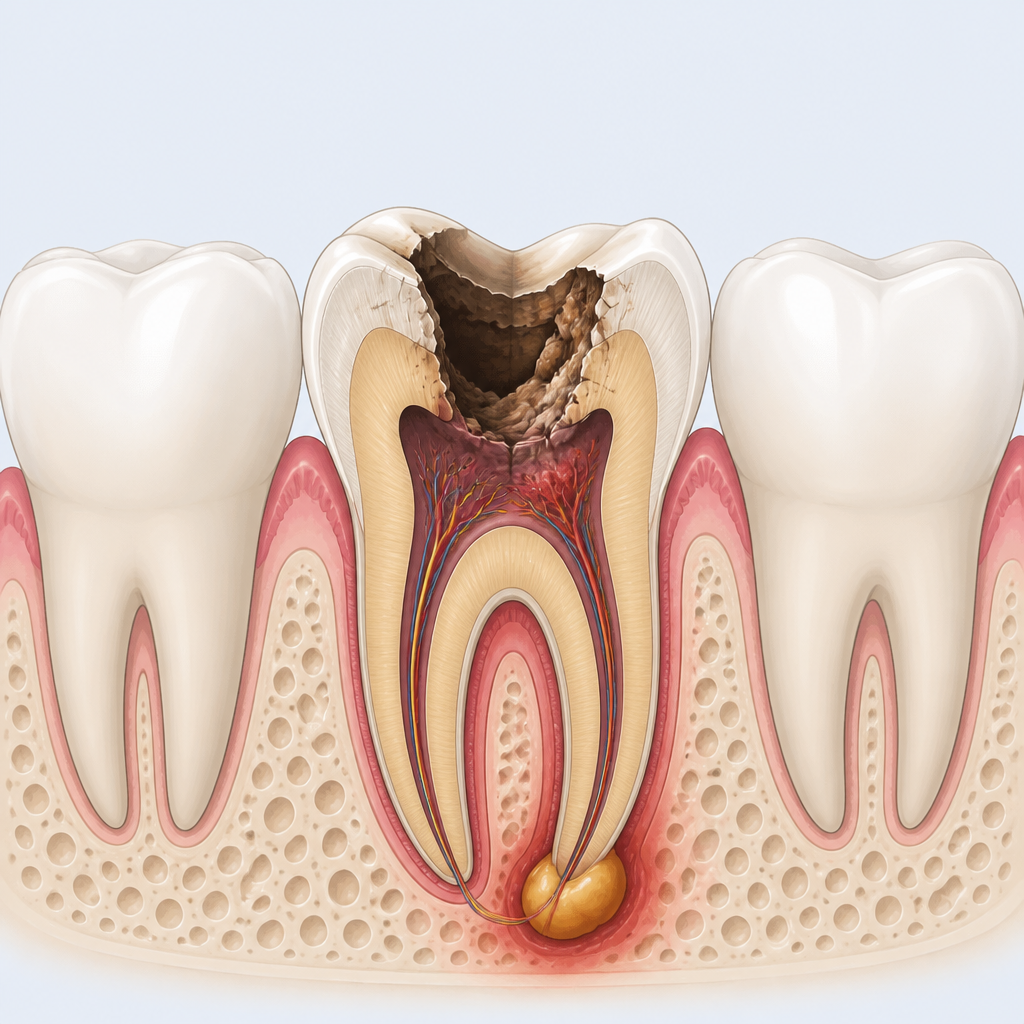
Socket Preservation
Immediately after a tooth is extracted, the empty socket is filled with a specialised bone graft material to prevent the jawbone from shrinking. This preserves the healthy bone volume and gum shape needed for an implant later on.
View 6 steps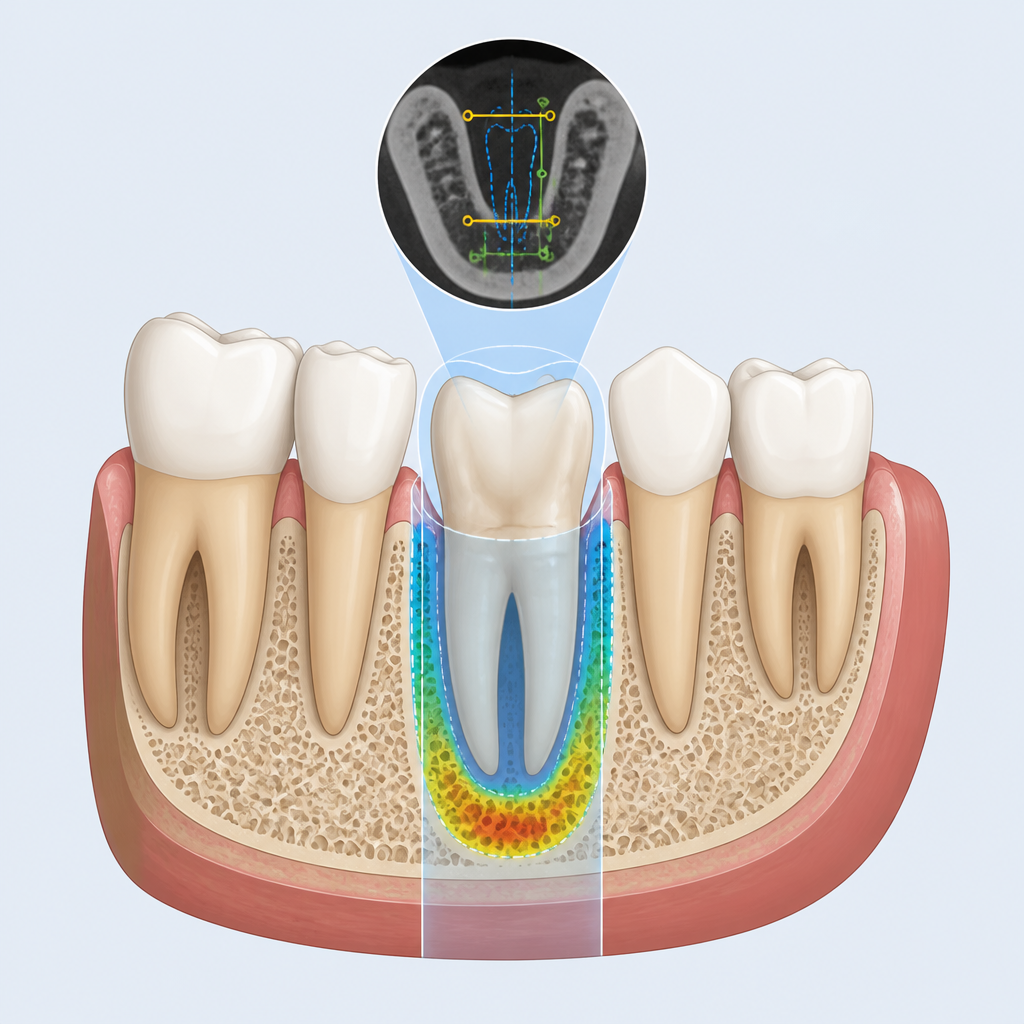
Immediate Implant
With an immediate implant, the artificial root is placed into the socket at the same appointment as the extraction, eliminating a separate healing stage. This significantly reduces the overall treatment time and the number of surgical visits. Not every patient is suitable — your dentist will assess your eligibility first.
View 6 steps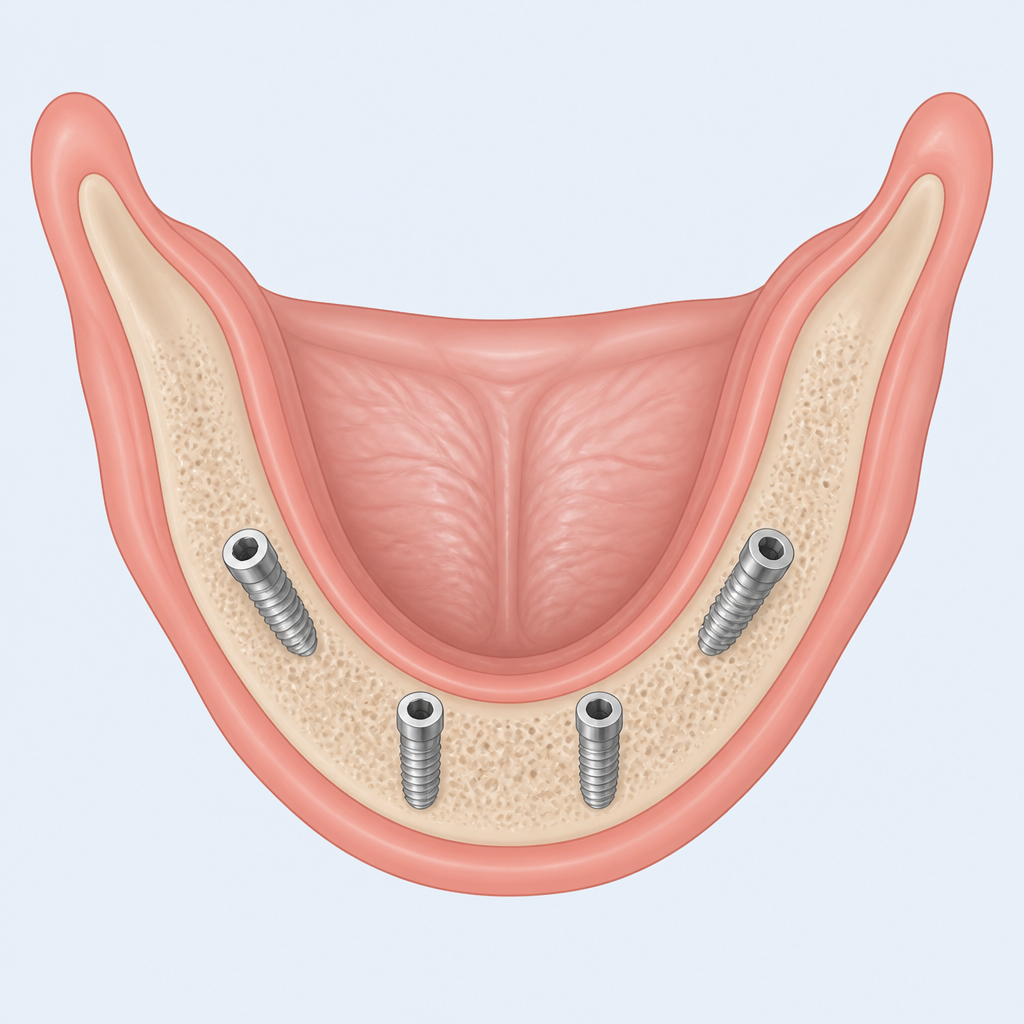
Implant-Supported Overdenture (All-on-4)
For patients who have lost most or all of their teeth, the All-on-4 technique secures a full arch of teeth onto just four implants. Unlike traditional dentures, there is no slipping or movement — you can eat and speak with the same confidence and comfort as natural teeth.
View 6 steps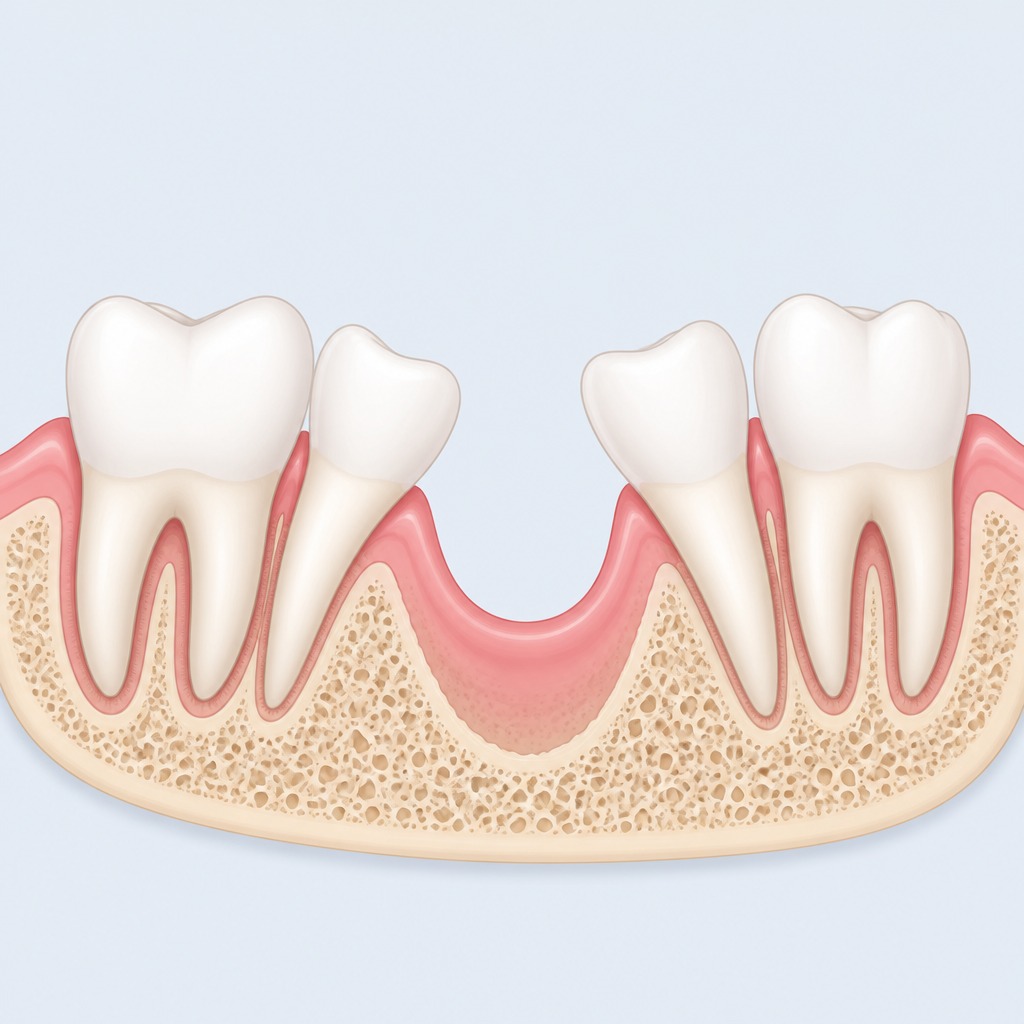
Treatment Options Comparison
There are three main ways to replace a missing tooth — dentures, bridges, and implants — each with its own advantages and limitations. We explain all three clearly so you can choose the option that best suits your needs and priorities.
View 5 steps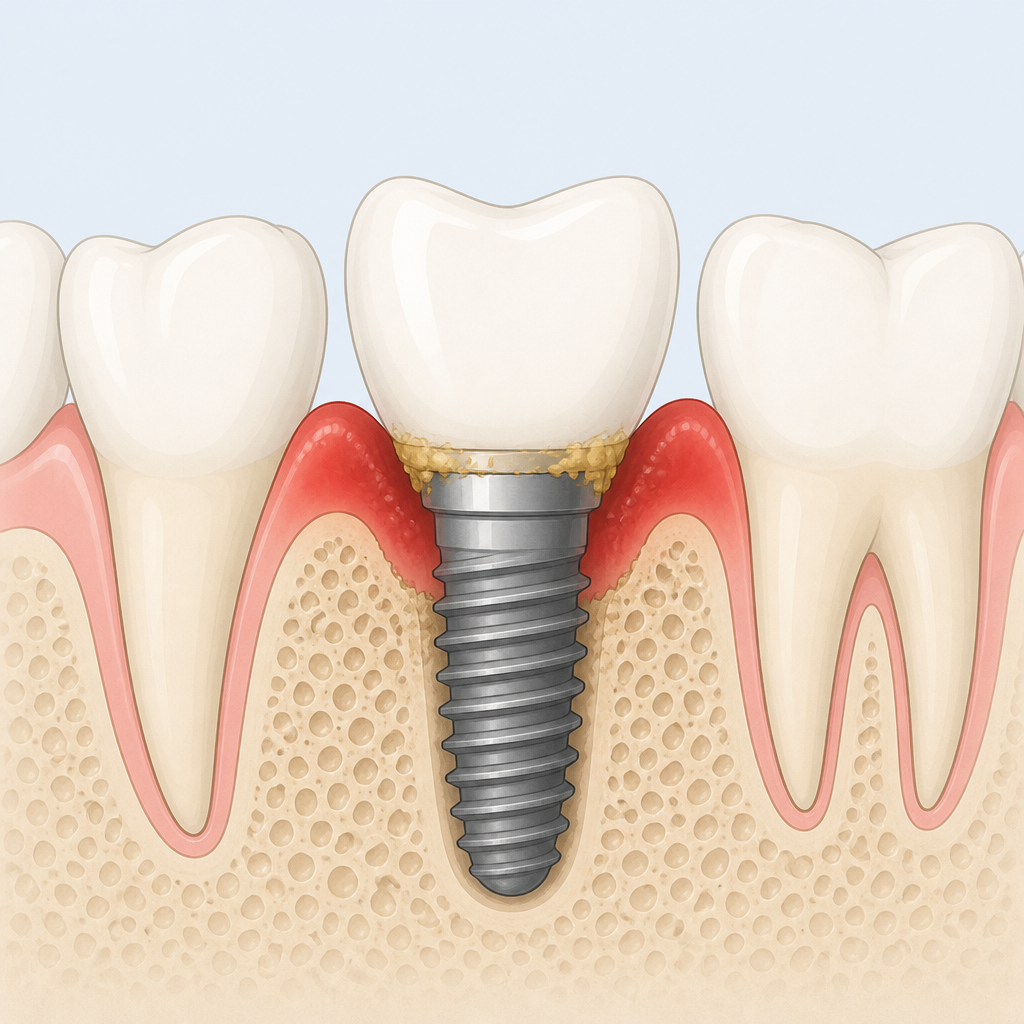
Peri-implant Maintenance
When bacteria accumulate around an implant, they can cause inflammation of the surrounding gum and bone — a condition called peri-implantitis — which may eventually cause the implant to loosen or fail. Regular dental check-ups and thorough cleaning at home are essential to keep your implant healthy for life.
View 6 steps